Telangana judicial service aspirants' challenge against Telugu proficiency is denied by the Supreme Court.
The petitioner's claim that Urdu is prohibited by the Telangana Judicial (Service and Cadre) Rules, 2023 was dismissed by the court.
A plea contesting the Telangana government's decision to need Telugu proficiency in order to be appointed as a judge in the Telangana State judiciary was denied by the Supreme Court on Monday.
The petitioner, Mohd Shujath Hussain, argued that Urdu was not covered by the Telangana Judicial (Service and Cadre) Rules, 2023, but this was dismissed by a bench of Justices BR Gavai and Augustine George Masih.
"Not disqualified. The rule merely specifies that Telugu is required. Apologies. cannot entertain," said the Court.
Hussain moved to the highest court after the Telangana High Court had already denied the case.
The regulations, which went into effect in June 2023, mandated that candidates seeking judicial employment speak Telugu. Additionally, translation from English to Telugu and vice versa was included in the exam schedule.
Hussain contended that since he had studied in Urdu throughout his education, the regulations ought to have made proficiency in the language a prerequisite for joining the judicial service.
He added that the Telangana Official Languages Act of 1966 recognized Urdu as a second official language and that it is an integral element of the state's cultural fabric.
But after pointing out that the State's choice was a policy decision based on Telugu being the most widely spoken language in the State, the High Court dismissed his case.
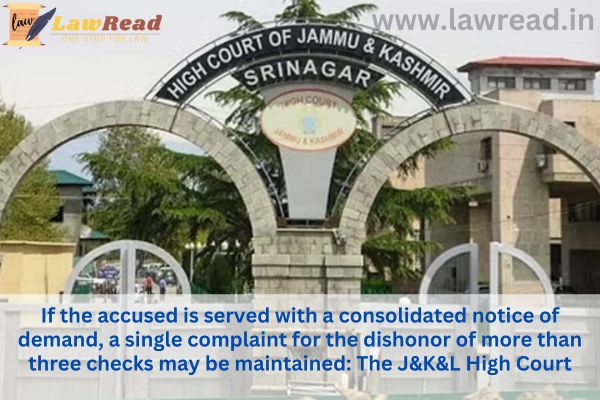
If the accused is served with a consolidated notice of demand, a single complaint for the dishonor of more than three checks may be maintained: The J&K&L High Court
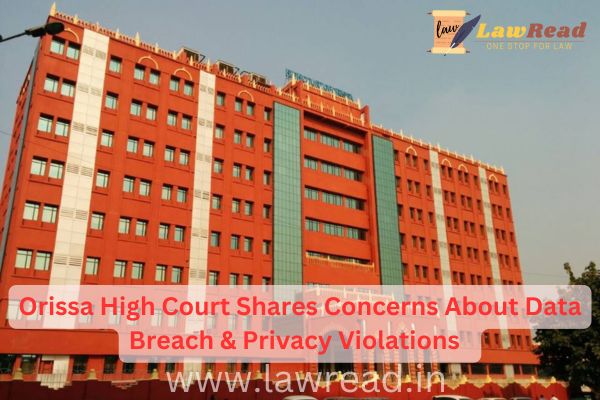
Orissa High Court Shares Concerns About Data Breach & Privacy Violations While Upholding Mandatory PAN-Aadhaar Linking For Demat Accounts
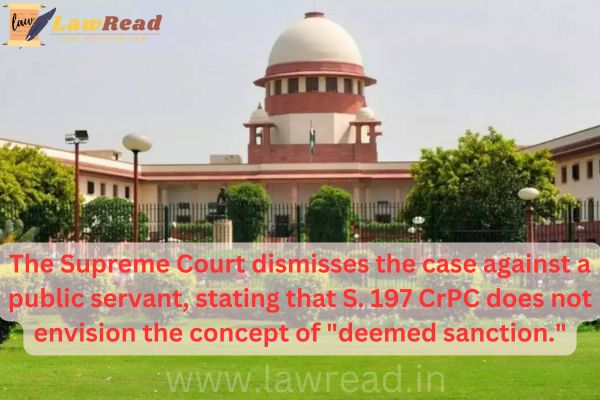
The Supreme Court dismisses the case against a public servant, stating that S. 197 CrPC does not envision the concept of "deemed sanction."
Community Invitation
Enjoying LawRead?
You've been reading on LawRead! Create a free student or advocate account to unlock our complete legal platform:
Premium Courses & Mock TestsJudiciary, UGC-NET, and Bar examination lecture bundles, video classes, and structured notes.
Community Discussion ForumAsk legal questions, reply to ongoing case discussions, and connect with legal scholars and peers.
Unlimited PDF DownloadsDownload Bare Acts, landmark judgments, study notes, and legal updates without any limit.
Already have an account?•
Sign in to LawRead
Free Download Limit Reached (2 of 2 used)
Sign in or create a free account to download this PDF and enjoy unlimited access across all Bare Acts, Notes & Judgements.
.jpg)