Kerala Police cites an increase in drug and sexual offenses while defending Kochi's 11 PM DJ party cutoff.
According to the police, 27 criminal complaints pertaining to crimes against women, drugs, and unlawful assembly have already been filed in connection with these late-night activities. In Mahadevan v. State of Kerala & ors, the Kerala Police recently defended Kochi DJ events' 11 PM cutoff. The police informed the Kerala High Court that this action was required due to the city's alarming increase in drug-related crimes, sexual offenses, and other law and order problems, which coincided with the fast expansion of late-night commercial entertainment.
In response to a plea by the Radisson Blu Hotel at Kadavanthra contesting police limitations on holding late-night DJ programs despite the Excise Department allowing the hotel's bar to operate until three in the morning, the submission was made in a counterstatement submitted before the High Court. Radisson Blu filed the suit in response to letters from the Assistant Commissioner of Police of Ernakulam and the Station House Officer of Kadavanthra Police Station that prohibited DJ activities from taking place after the designated hours.
The hotel argued that the excise department's extension allowed it to carry on with its operations during the additional hours. In response, the cops defended the cut-off. Judge Murali Purushothaman heard the case on July 6, noted the Kochi City Police Commissioner's remarks, and scheduled a follow-up hearing for July 13.
Murali Purushothaman, Justice
The number of commercial DJ parties in the city has significantly expanded over the previous few years, according to the police affidavit. According to the commissioner, the number of venues has increased from just three to over 34, with organizers collecting up to ₹20,000 for table reservations and charging entry fees between ₹1,500 and ₹6,000 per individual.The commissioner continued, "This rapid and unchecked growth is creating a dangerous situation and making it difficult to maintain public safety and law and order."
Additionally, it was reported that 27 criminal cases related to these late-night activities have already been filed for offenses like unlawful assembly, drug offenses, crimes against women, and other law and order infractions. These instances showed that regulatory action was necessary to stop future risks to public safety, the statement continued. The Commissioner claims that a FL-3 license granted under the excise regulations permitted the serving of food and alcohol but not the unlimited authority to host big public gatherings or high-decibel DJ performances.
He added that the police's statutory authority under the Kerala Police Act, 2011 to control actions that impact public order could not be superseded by the extension of bar hours. The statement also claimed that a number of incidents that had an impact on public safety had happened at the Radisson Blu in 2026. These incidents included a violent altercation that took place inside the hotel, an NDPS case in which eight people were arrested during an alleged rave party where cocaine and ganja MDMA were found, and another case involving rioting and property damage during a DJ event.
The hotel management's involvement in the drug case was reportedly being looked into as well. The commissioner noted that late-night DJ concerts have frequently caused public disturbances and have been linked to drug-related offenses as well as crimes against women, citing complaints from police stations throughout Kochi.
As a result, the Kerala Police Act has issued directives prohibiting DJ programs and other entertainment activities from continuing past 11 PM. It was made clear that only DJ programs and associated entertainment activities are subject to restrictions, and that the police have not objected to the hotel supplying alcohol till three in the morning. The hotel was represented by attorneys S Rajeev, Anand Kalyanakrishnan, C Dheeraj Rajan, V Vinay, MS Aneer, and Libin Varghese.
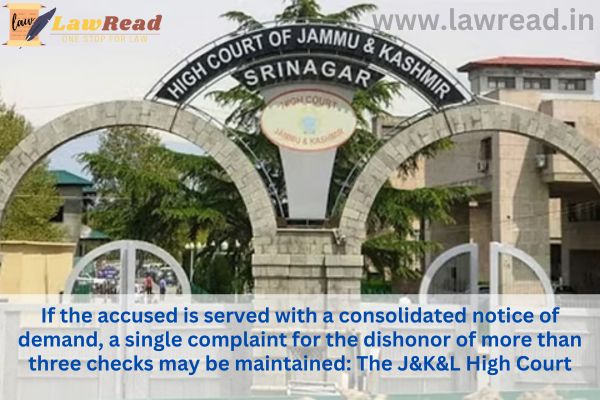
If the accused is served with a consolidated notice of demand, a single complaint for the dishonor of more than three checks may be maintained: The J&K&L High Court
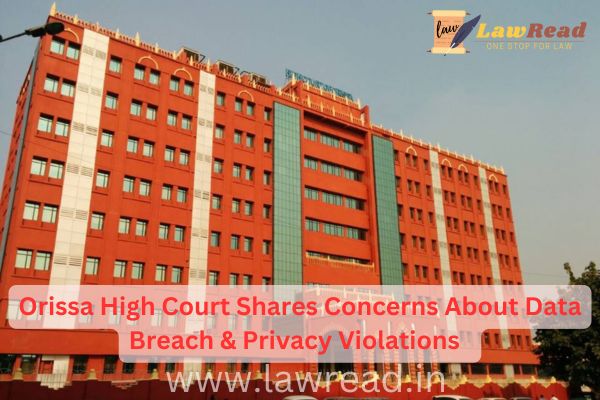
Orissa High Court Shares Concerns About Data Breach & Privacy Violations While Upholding Mandatory PAN-Aadhaar Linking For Demat Accounts
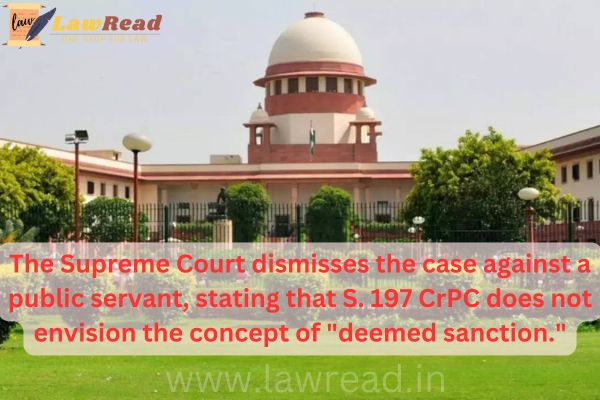
The Supreme Court dismisses the case against a public servant, stating that S. 197 CrPC does not envision the concept of "deemed sanction."
Community Invitation
Enjoying LawRead?
You've been reading on LawRead! Create a free student or advocate account to unlock our complete legal platform:
Premium Courses & Mock TestsJudiciary, UGC-NET, and Bar examination lecture bundles, video classes, and structured notes.
Community Discussion ForumAsk legal questions, reply to ongoing case discussions, and connect with legal scholars and peers.
Unlimited PDF DownloadsDownload Bare Acts, landmark judgments, study notes, and legal updates without any limit.
Already have an account?•
Sign in to LawRead
Free Download Limit Reached (2 of 2 used)
Sign in or create a free account to download this PDF and enjoy unlimited access across all Bare Acts, Notes & Judgements.

.jpg)